SSB Body Language Tips: Show OLQ Traits Clearly
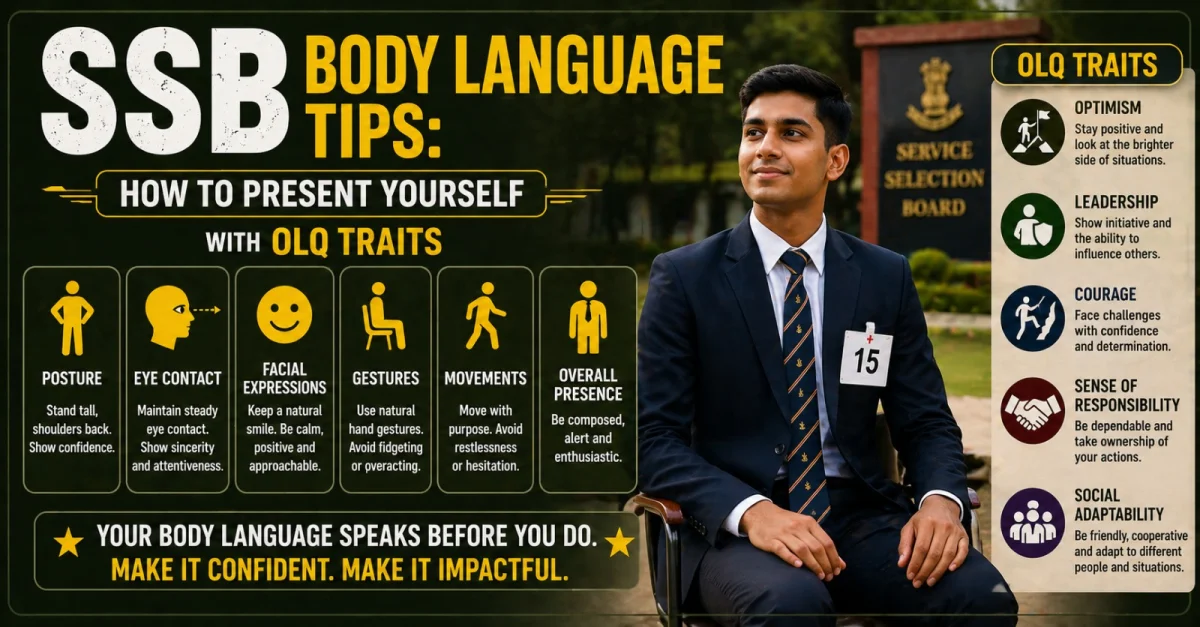
Body language is a key factor in the SSB interview, often speaking louder than words. Your posture, eye contact, and gestures reflect confidence, leadership, and other Officer Like Qualities (OLQs). Even with good answers, poor body language can create a negative impression. Mastering natural and confident body language helps you stand out and leave a strong impact.
In the SSB interview process, what you say is important, but how you present yourself often matters even more. Many candidates focus heavily on preparing answers, practicing psychology tests, or improving general knowledge, but overlook one crucial factor: body language.
Your body language is constantly being observed by assessors throughout all five days of the SSB interview. Whether you are in a group discussion, giving a lecture, or sitting in a personal interview, your posture, gestures, and expressions reveal your confidence, attitude, and personality.
The SSB aims to identify Officer Like Qualities (OLQs), and body language plays a key role in reflecting these qualities naturally. In this guide, you will learn how to present yourself effectively through body language and create a strong, positive impression.
Why Body Language Matters in SSB
Body language is a non-verbal form of communication that often speaks louder than words. Assessors observe candidates not just during tests but also in informal settings like waiting areas and interactions with other candidates.
A confident candidate may not always speak the most, but their presence is felt through their posture, eye contact, and calm behavior. On the other hand, nervous habits or poor posture can create a negative impression, even if your answers are correct.
Body language helps assessors evaluate qualities like confidence, leadership, emotional stability, and social adaptability, all of which are essential for an officer.
Understanding OLQ Traits Through Body Language
Officer-like qualities are the foundation of SSB selection. These include traits like leadership, confidence, effective communication, decision-making, and team spirit.
Body language is one of the easiest ways to reflect these qualities without explicitly stating them.
Your goal should be to align your body language with these traits naturally.
Posture: The Foundation of Confidence
Your posture is the first thing people notice about you. Standing or sitting upright shows confidence, alertness, and discipline.
Avoid slouching, leaning excessively, or appearing too stiff. A natural, straight posture with relaxed shoulders creates a balanced and confident appearance.
During interviews, sit straight with your back supported and feet placed firmly on the ground. This not only improves your appearance but also helps you feel more confident internally.
Eye Contact: Building Trust and Confidence
Maintaining proper eye contact is essential in SSB. It shows that you are confident, attentive, and honest.
While speaking, maintain eye contact with the person you are addressing. During group discussions, shift your gaze naturally between participants instead of focusing on one person.
Avoid staring aggressively or looking down frequently, as both can create a negative impression. Balanced eye contact reflects confidence and respect.
Hand Gestures: Express, Don’t Overdo
Hand gestures can enhance your communication if used correctly. They help emphasize your points and make your speech more engaging.
However, excessive or uncontrolled gestures can be distracting. Keep your movements natural and controlled. Use gestures to support your words, not dominate them.
Avoid fidgeting, playing with objects, or crossing your arms, as these can indicate nervousness or defensiveness.
Facial Expressions: Reflect Positivity
Your facial expressions reveal your emotions and attitude. A calm and pleasant expression makes you approachable and confident.
Smiling at appropriate moments can create a positive impression, especially during interactions. However, avoid unnecessary or forced smiles.
Your expressions should match the situation. For example, during serious discussions, maintain a focused and attentive look.
Body Language in Group Discussion
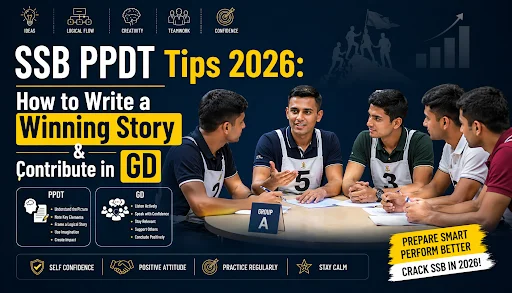
Group discussion is one of the most important areas where body language plays a major role. Here, assessors observe how you interact with others.
A good participant is someone who listens actively, nods in agreement, and speaks with clarity. Leaning slightly forward shows interest, while maintaining an open posture reflects confidence.
Avoid pointing fingers, interrupting aggressively, or showing frustration. Respectful behavior and controlled body language are key to success.
Body Language During a Personal Interview
In the personal interview, your body language should reflect confidence and sincerity.
Enter the room with a polite greeting, maintain a steady posture, and sit only when asked. While answering questions, keep your tone calm and your body language composed.
Avoid unnecessary movements, tapping feet, or shifting constantly. A stable and relaxed posture helps you appear confident and trustworthy.
Body Language in GTO Tasks
GTO tasks involve physical activities and teamwork, making body language even more important.
Your actions, gestures, and interactions with group members are closely observed. Helping others, encouraging teammates, and maintaining a positive attitude reflect strong leadership and team spirit.
Avoid showing frustration, dominating others, or giving up easily. Your behavior during tasks should reflect determination and cooperation.
Common Body Language Mistakes in SSB
Many candidates unknowingly make mistakes that affect their performance.
One common mistake is poor posture, such as slouching or leaning too much. Another is lack of eye contact, which can make you appear unsure or disinterested.
Excessive gestures, nervous habits like fidgeting, and negative expressions can also create a poor impression.
Being aware of these mistakes is the first step toward improvement.
How to Improve Body Language for SSB
Improving body language requires practice and self-awareness.
Start by observing yourself in a mirror or recording your practice sessions. This helps you identify areas where you need improvement.
Practice speaking in front of others to build confidence. Focus on maintaining eye contact, using controlled gestures, and keeping a steady posture.
Regular interaction with people can also improve your natural communication style.
Daily Practice Routine for Body Language
Consistency in practice can bring noticeable improvement over time.
How Body Language Builds Confidence
Interestingly, body language not only reflects confidence but also creates it. Standing upright, maintaining eye contact, and speaking clearly can make you feel more confident internally.
This is why practicing good body language is important not just for SSB but for overall personality development.
Conclusion
Body language is a powerful tool in the SSB interview process. It reflects your personality, confidence, and Officer-Like Qualities without the need for words.
By focusing on posture, eye contact, gestures, and expressions, you can create a strong and positive impression. Remember, the goal is not to act differently but to present your natural self in the best possible way.
With regular practice and awareness, you can improve your body language and increase your chances of success in SSB.
FAQs on SSB Body Language Tips
Why is body language important in SSB?
It helps assessors evaluate confidence, leadership, and personality.
How to improve eye contact in SSB?
Practice speaking with people and maintain natural eye movement.
Can body language affect selection?
Yes, it creates a strong impression and supports your overall performance.
What are common body language mistakes?
Poor posture, lack of eye contact, and nervous gestures.
How to practice body language at home?
Use mirror practice, record yourself, and engage in group discussions.