Defence Secretary Outlines $25 Billion Annual Opportunity for Indian Defence Industry
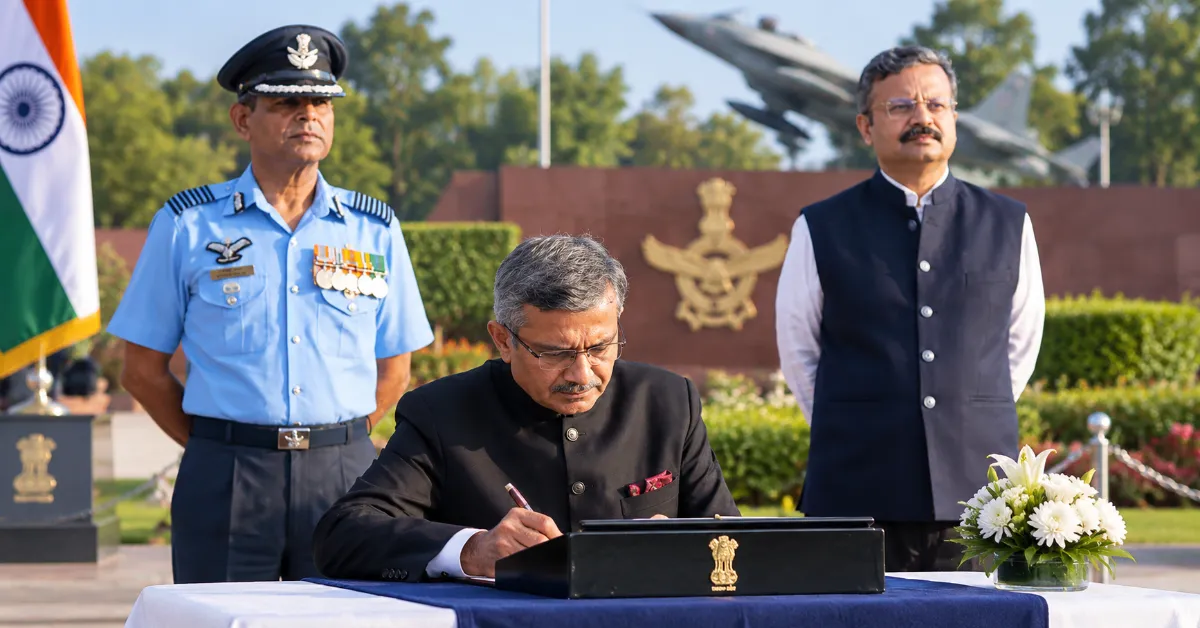
India’s defence industry could see a $20–25 billion annual business opportunity over the next decade. Defence Secretary Rajesh Kumar Singh has outlined key procurement reforms, greater private-sector participation, and changes aimed at strengthening domestic defence manufacturing.
India’s domestic defence industry could see an annual business opportunity of $20 billion to $25 billion over the next decade, according to Defence Secretary Rajesh Kumar Singh. The projection comes as the government pushes to speed up defence procurement, expand private-sector participation and strengthen domestic manufacturing capabilities.
Speaking at the Society of Indian Defence Manufacturers (SIDM) annual conference in New Delhi on October 9, 2026, Singh highlighted the need for closer cooperation between the government, the armed forces, public-sector manufacturers and private defence companies.
He also discussed reforms to the Defence Acquisition Procedure (DAP), changes to the role of the Defence Research and Development Organisation (DRDO), and plans to increase industry participation in producing military equipment.
75% of Defence Capital Procurement Budget Earmarked for Domestic Industry
The government has raised the share of the defence capital procurement budget allocated to domestic industry to 75%, up from 68% in FY 2022–23.
India’s annual defence capital budget is estimated at approximately ₹1.6 lakh crore to ₹1.8 lakh crore. This spending creates opportunities for Indian manufacturers involved in aircraft, missiles, ammunition, naval systems, electronics and other military equipment.
Singh said the domestic market could offer an annual business opportunity of around $20 billion to $25 billion over the next ten years.
However, this figure represents an estimated opportunity for industry, not a guarantee that every amount will translate into contracts for domestic companies.
The government’s broader objective is to strengthen India's defence industrial base and reduce dependence on foreign suppliers where domestic capabilities can meet operational requirements.
Defence Procurement Reforms Aim to Speed Up Contracts
Singh acknowledged that defence procurement has made progress but said the process needs to move faster.
Large acquisition programmes, including the Multi-Role Fighter Aircraft (MRFA) programme, are being processed at senior levels. Some major procurement proposals could progress to contract signing before the end of 2026, subject to the required approvals and procedures.
The government is also working on substantial changes to the Defence Acquisition Procedure. Final approval for these reforms was expected before the end of 2026, according to the reported remarks.
At the same time, Singh stressed that faster procurement must not come at the cost of transparency, legal accountability or established procedures.
For the armed forces, timely procurement is essential to meeting operational requirements. For manufacturers, a more predictable acquisition process can help them plan investments, production capacity and supply chains.
Government Seeks Greater Participation from Private Defence Companies
India's defence manufacturing ecosystem has traditionally relied heavily on public-sector organisations. The government now wants a more balanced partnership between public-sector enterprises and private companies.
Singh said the private sector's contribution to defence production by value was approximately 24%, while the broader policy ambition is to move towards a more equal partnership between public and private industry.
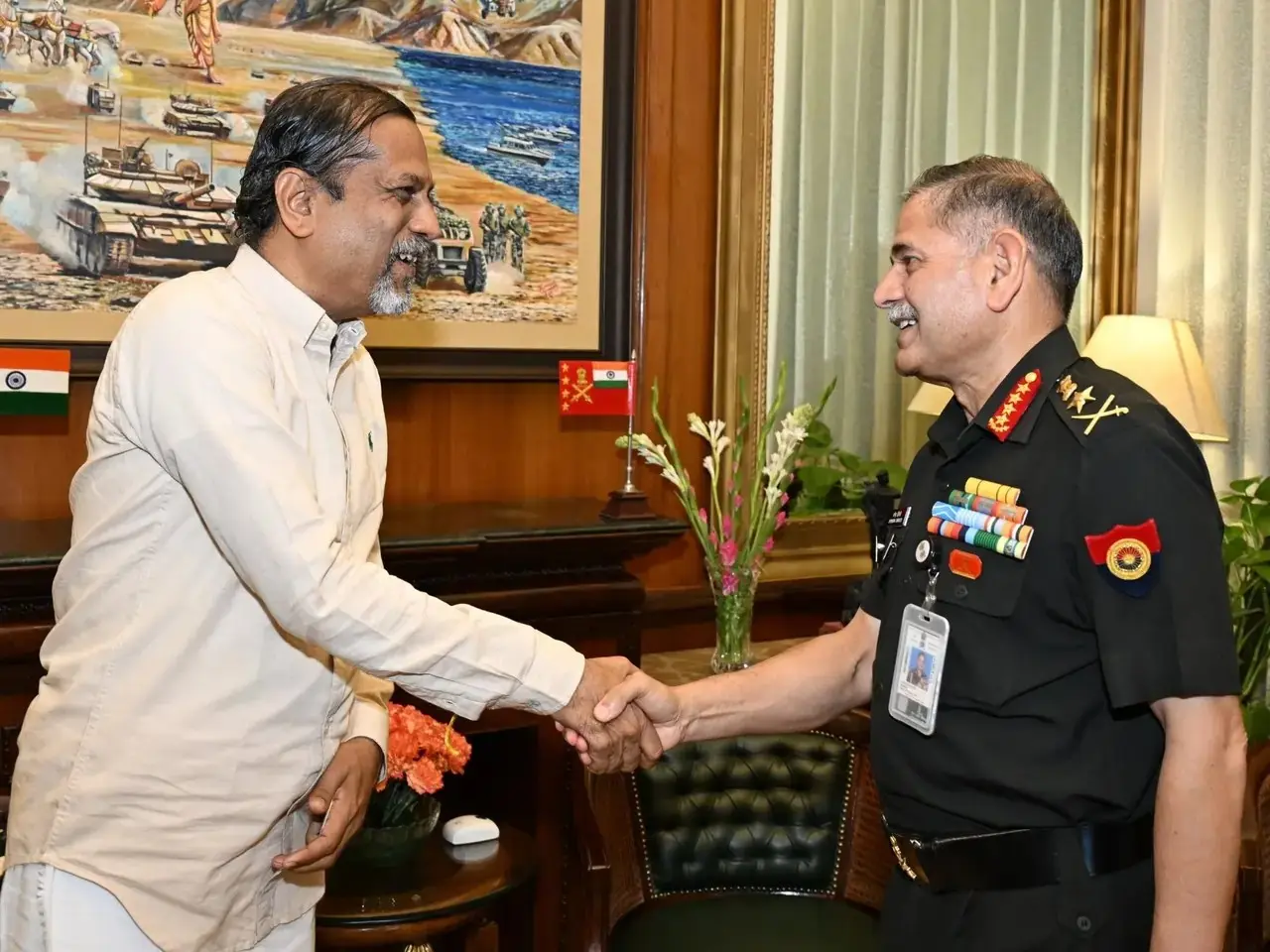
He encouraged officials in the Ministry of Defence and the armed forces to treat companies as industry partners rather than merely vendors.
This approach is intended to encourage cooperation across the defence manufacturing ecosystem, including:
-
Defence public-sector undertakings.
-
Private defence manufacturers.
-
Micro, small and medium enterprises (MSMEs).
-
Start-ups and technology companies.
-
Research institutions and academia.
A stronger partnership could help companies develop production capacity, improve technology capabilities and respond more quickly to the requirements of the armed forces.
DRDO Reforms to Focus More on Research and Development
The Defence Research and Development Organisation (DRDO) also featured in the discussions.
DRDO has played a major role in developing India's indigenous defence technologies, including missile systems, aeronautical platforms and naval capabilities. The proposed direction of reform places greater emphasis on research and development, while encouraging industry to take a larger role in production.
Singh highlighted the need for a reform-oriented approach to DRDO's functioning, with particular attention to talent, accountability and timely project delivery.
The broader objective is to strengthen the link between defence research and industrial production. Technologies developed through research can have a greater operational impact when manufacturers can produce them at the scale required by the armed forces.
The changes should not be interpreted as an end to DRDO's production involvement in every area. The approach may differ for specialised and strategic programmes.
Conventional Missile Technology Transfer Planned for Industry
Another important development concerns the transfer of conventional missile technology to private industry.
Reported details of the proposed reforms indicate a target of transferring conventional missile technology for commercial production by November 2027.
If implemented as planned, this could expand the role of private manufacturers in producing certain missile systems and increase the number of companies participating in the defence supply chain.
The move would also require clear arrangements for technology transfer, quality assurance, production standards and oversight. Missile manufacturing involves complex technical and security requirements, so expanding participation will depend on the systems established to manage those responsibilities.
The November 2027 timeline should be treated as a reported target, not as confirmation that all technology transfers have already taken place.
India Wants Multiple Companies to Manufacture Fighter Aircraft
Singh also highlighted the government's objective of increasing competition and production capacity in the fighter aircraft sector.
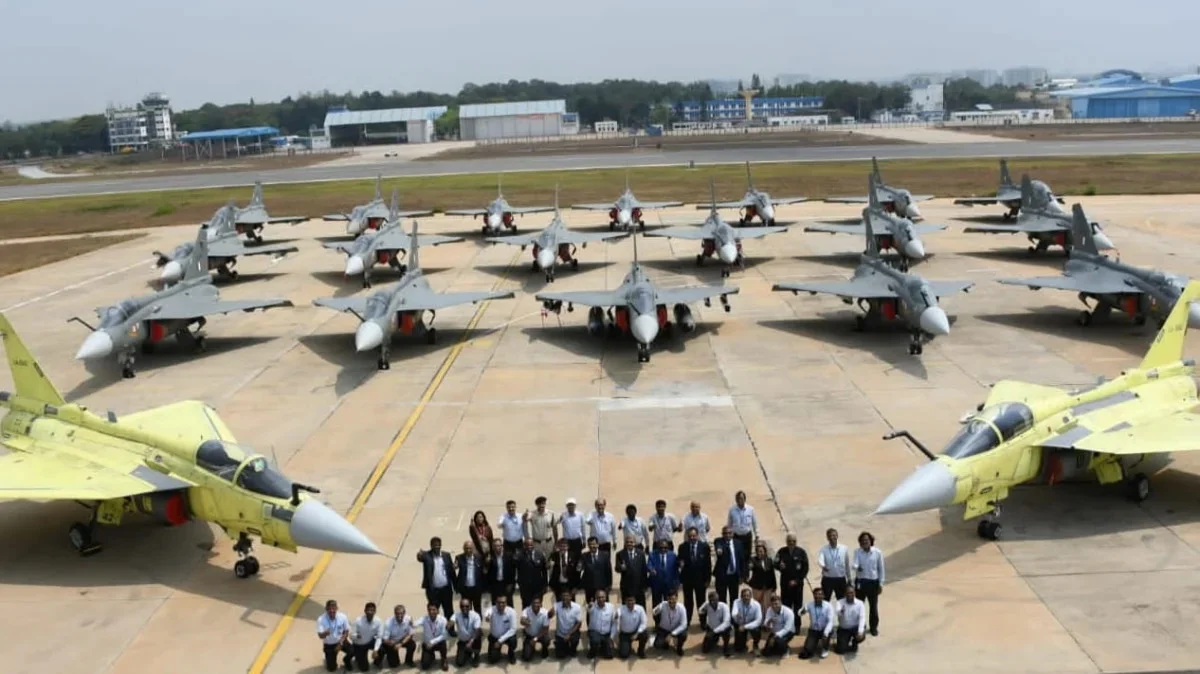
The stated ambition is to have at least two companies manufacturing fighter aircraft in India, with the possibility of a third manufacturer.
Expanding the manufacturing base could support domestic aerospace capabilities and provide more opportunities for private industry to participate in complex defence programmes.
However, establishing additional production lines requires substantial investment, specialised infrastructure, skilled personnel and long-term procurement commitments. Any expansion will depend on the development and approval of specific programmes.
The wider goal is to create a defence manufacturing ecosystem that can support the armed forces while contributing to India's industrial growth.
What the Developments Mean for India's Defence Sector
The announcements point towards three broad priorities for India's defence industry.
First, faster procurement. Reforms are intended to reduce delays while retaining transparency and accountability.
Second, wider industrial participation. Private companies, MSMEs and other industry participants are expected to play a larger role in domestic defence production.
Third, stronger research-to-production links. Changes involving DRDO and technology transfers could help move more indigenous technologies into industrial manufacturing.
For defence aspirants, these developments are also relevant as current affairs. They connect national security with defence indigenisation, research and development, government policy and industrial growth.
The estimated $20–25 billion annual opportunity is a projection of the potential domestic market over the next decade. Its actual impact will depend on procurement decisions, approvals, technology readiness and the ability of manufacturers to deliver equipment on time.
Frequently Asked Questions
What annual opportunity did Defence Secretary Rajesh Kumar Singh outline?
He outlined an estimated annual business opportunity of $20 billion to $25 billion for India's domestic defence industry over the next decade.
What share of the defence capital procurement budget is allocated to domestic industry?
The reported allocation has increased to 75%, compared with 68% in FY 2022–23.
What changes are being considered for DRDO?
The reform direction places greater emphasis on research and development, talent and accountability, while encouraging industry to take a larger role in production where appropriate.
When is conventional missile technology transfer to private industry targeted?
Reported plans indicate a target of November 2027 for transferring conventional missile technology for commercial production. This is a target, not confirmation of completed transfers.
Why is private-sector participation important for Indian defence manufacturing?
Greater participation can expand production capacity, encourage competition, bring more companies into the supply chain and support domestic manufacturing. The results will depend on procurement execution, technical capability and quality controls.
Where can readers follow defence policy and industry developments?
Readers can follow official Ministry of Defence announcements and updates from relevant government organisations. Defence Study also covers Indian defence news, policy developments and exam-relevant current affairs.
Stay informed about India's defence developments through the Defence Study community.