India-France FCAS Talks Focus on Advanced Variable Cycle Engine for Future 6th-Generation Fighter
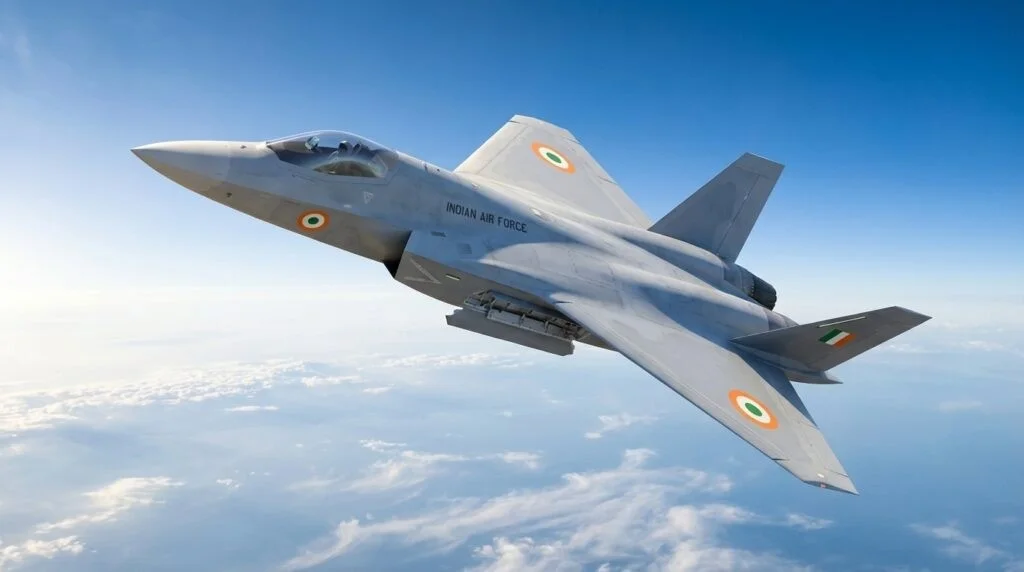
Proposed collaboration could combine supercruise propulsion, autonomous systems and combat cloud technologies to shape next-generation air warfare
New Delhi: India and France are exploring a potential partnership to jointly develop a sixth-generation Future Combat Air System (FCAS), with discussions increasingly centred on the co-development of an advanced Variable Cycle Engine (VCE) capable of enabling sustained supercruise speeds of around Mach 2.
If the collaboration materialises, it would represent one of India's most ambitious aerospace programmes, extending beyond fighter aircraft development into next-generation propulsion, artificial intelligence, secure combat networking, and autonomous unmanned systems.
Variable Cycle Engine at the Core
A key focus of the discussions is the development of a Variable Cycle Engine—considered one of the defining technologies for sixth-generation combat aircraft.
Unlike conventional military turbofan engines, which are typically optimised either for fuel efficiency during cruise or maximum thrust during combat, a Variable Cycle Engine can dynamically alter its operating characteristics during flight.
During long-range missions, the engine can adjust airflow to maximise fuel efficiency, increasing endurance and operational range. When high performance is required, it transitions into a high-thrust configuration, delivering significantly greater power without the heavy fuel penalties associated with conventional afterburners.
Such an engine would enable sustained supercruise—the ability to fly at supersonic speeds without afterburner use—potentially allowing future fighters to maintain speeds approaching Mach 2 while preserving fuel and extending mission duration.
Why Supercruise Matters
Supercruise is regarded as a critical capability for future air dominance platforms.
Maintaining high-speed flight without afterburners enables combat aircraft to patrol contested airspace for longer periods, respond rapidly to emerging threats, and retain greater energy during aerial engagements. The combination of endurance, speed, and operational flexibility is expected to be a defining characteristic of sixth-generation fighter aircraft.
Safran's Potential Role
French aerospace company Safran is expected to play a central role in any future propulsion programme, leveraging its expertise in advanced turbine technologies, high-temperature materials, thermal management, and next-generation military engines.
Safran has steadily expanded its presence in India through maintenance, repair and overhaul (MRO) facilities and has also expressed interest in broader technology cooperation with India's indigenous fighter programmes.
Industry observers believe any India-France engine collaboration would likely emphasise co-development rather than a conventional buyer-seller relationship.
Technology Transfer a Strategic Priority
For India, the objective extends beyond acquiring an advanced propulsion system.
New Delhi is expected to seek comprehensive technology access, including Interface Control Documents (ICDs) and core engineering data that would allow Indian designers to independently integrate indigenous weapons, sensors, avionics, electronic warfare suites, and mission software.
Such access would significantly strengthen India's long-term aerospace design capabilities while supporting the country's broader Aatmanirbhar Bharat objectives in defence manufacturing.
Beyond the Fighter Aircraft
The proposed FCAS programme is also expected to encompass several technologies that define sixth-generation air combat.
A secure Combat Cloud architecture would enable real-time data sharing between fighter aircraft, satellites, airborne early warning platforms, naval assets, ground forces, and command centres, creating an integrated operational picture across multiple domains.
Another important element under consideration is the integration of loyal wingman or remote carrier drones. These autonomous unmanned aircraft would operate alongside the crewed fighter, undertaking missions such as reconnaissance, electronic warfare, suppression of enemy air defences, decoy operations, and precision strikes while reducing risk to human pilots.
Artificial intelligence would play a central role in coordinating operations between the manned aircraft and its accompanying autonomous platforms.
Strategic Timing
The discussions come at a significant moment for both countries.
Europe's original multinational Future Combat Air System programme has faced delays and industrial disagreements over workshare and programme leadership, prompting renewed interest in alternative strategic partnerships.
India, with its expanding defence-industrial base and long-standing defence relationship with France—anchored by the successful induction of the Rafale fighter—offers a credible partner for collaborative development of next-generation combat technologies.
For New Delhi, participation in a sixth-generation programme would complement the ongoing development of the indigenous Advanced Medium Combat Aircraft (AMCA), allowing India to simultaneously advance fifth-generation fighter production while acquiring critical technologies for future air combat systems.
Although discussions remain at an exploratory stage, a successful India-France FCAS partnership could significantly reshape both countries' aerospace industries and position them among the few nations pursuing indigenous sixth-generation combat aviation technologies.