Flying Branch vs Ground Duty Branch: Which to Choose in AFCAT?

One of the biggest decisions every AFCAT aspirant faces is choosing between the Flying Branch and the Ground Duty Branch in the Indian Air Force. For many candidates, the dream of joining the Air Force begins with the image of flying fighter aircraft across the skies. However, as preparation begins, aspirants gradually realize that the Air Force offers multiple career paths beyond flying alone.
This is where confusion starts.
Some students apply for the Flying Branch because it sounds more exciting, without fully understanding the physical requirements, training pressure, or lifestyle involved. Others ignore Ground Duty roles, assuming they are less important or less prestigious, which is far from the truth.
The reality is that both branches play equally important roles in the functioning of the Indian Air Force. One handles aerial operations directly, while the other manages the technical, administrative, logistical, and operational systems that make every Air Force mission possible.
Choosing the right branch is not about selecting the “better” option — it is about selecting the branch that matches your personality, strengths, career goals, and lifestyle expectations.
If you are preparing for AFCAT 2026 and are confused between Flying Branch and Ground Duty Branch, this detailed comparison will help you understand which path suits you best.
Recent AFCAT recruitment notifications continue to offer officer entry opportunities in Flying Branch and Ground Duty (Technical & Non-Technical) branches.
Understanding the Flying Branch in AFCAT
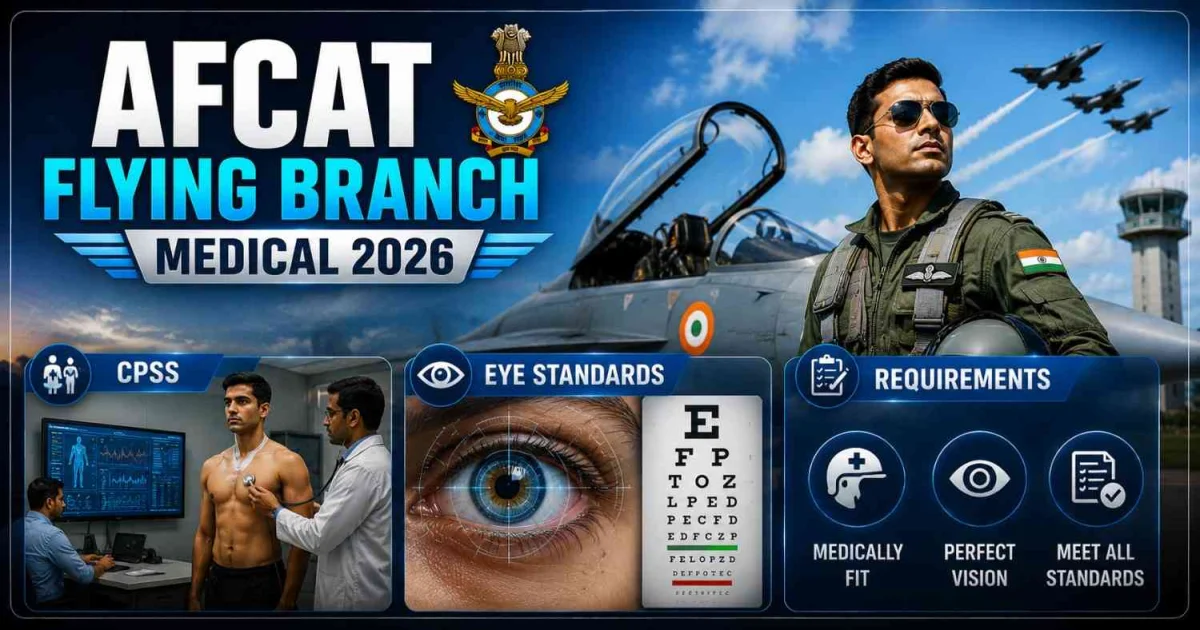
The Flying Branch is the most glamorous and highly recognized branch of the Indian Air Force. Candidates selected for this branch are trained to operate aircraft and participate directly in aerial missions.
For many aspirants, this branch represents the ultimate Air Force dream — becoming a fighter pilot, transport pilot, or helicopter pilot.
Flying Branch officers are responsible for:
-
Operating fighter aircraft
-
Conducting air missions
-
Aerial surveillance
-
Transport and logistics flights
-
Helicopter operations
-
Combat readiness and mission execution
The level of responsibility in this branch is extremely high because officers directly handle advanced aircraft and national security operations.
Life in the Flying Branch is adventurous, challenging, and highly disciplined.
Understanding the Ground Duty Branch in AFCAT
The Ground Duty Branch is equally important because it ensures the smooth functioning of the entire Air Force system behind the scenes.
Without Ground Duty officers, even the best fighter pilots cannot operate effectively.
Ground Duty branches are divided mainly into:
-
Technical Branch
-
Non-Technical Branch
These officers handle areas such as:
-
Aircraft maintenance
-
Administration
-
Logistics
-
Accounts
-
Meteorology
-
Air traffic support
-
Technical systems management
Ground Duty officers ensure that every Air Force mission is planned, supported, maintained, and executed efficiently.
Although this branch may appear less glamorous than flying, it offers excellent career growth, stability, and professional opportunities.
Eligibility Difference Between Flying and Ground Duty Branch
One of the first differences candidates notice is the eligibility criteria.
Flying Branch Eligibility
The Flying Branch has stricter academic and medical requirements because candidates eventually undergo pilot training.
Candidates also need strong medical fitness because flying aircraft requires excellent eyesight, reflexes, and physical endurance.
Ground Duty Eligibility
Ground Duty branches offer comparatively broader eligibility options.
Ground Duty roles therefore become accessible to a larger number of candidates.
Nature of Work: Flying vs Ground Duty
The biggest difference between the two branches lies in daily responsibilities and work style.
Life in the Flying Branch
Flying Branch officers experience one of the most exciting careers in the armed forces.
Their life includes:
-
Flight training
-
Combat preparation
-
Air missions
-
Operational flying
-
Continuous physical and mental conditioning
The work environment is highly dynamic and often stressful because officers handle missions involving national security and high-risk operations.
Flying officers must remain mentally sharp and physically fit at all times.
The thrill, adventure, and prestige associated with flying make this branch highly attractive.
Life in the Ground Duty Branch
Ground Duty officers experience a more structured and technically focused work environment.
Depending on specialization, officers may work in:
-
Technical maintenance units
-
Administrative offices
-
Logistics operations
-
Air traffic systems
-
Engineering divisions
The lifestyle is disciplined and professional but usually less physically risky compared to flying operations.
Ground Duty officers still play a direct role in Air Force operations, even if they are not physically flying aircraft.
Salary Comparison Between Flying and Ground Duty
One common misconception is that Ground Duty officers earn significantly less than Flying Branch officers.
In reality, both branches receive officer-level salary structures according to Air Force pay rules.
However, Flying Branch officers may receive additional allowances related to flying duties and operational responsibilities.
Although Flying Branch may offer slightly higher operational allowances, both branches provide excellent salary, facilities, and officer status.
Which Branch is More Difficult to Enter?
The Flying Branch is generally more competitive and medically demanding.
Many candidates clear the written exam but fail medical standards due to:
-
Vision issues
-
Height limitations
-
Physical standards
-
Medical conditions
Ground Duty branches usually have comparatively flexible medical requirements.
Because of this, many aspirants who cannot qualify medically for Flying Branch still build excellent careers in Ground Duty roles.
Training Difference Between Flying and Ground Duty
Training structure also differs significantly.
Flying Branch Training
Flying Branch training is extremely rigorous.
Candidates undergo:
-
Flight simulation
-
Aircraft systems training
-
Flying practice
-
Combat preparation
-
Survival training
The pressure level is high because officers eventually operate real aircraft.
The training process requires exceptional concentration, discipline, and mental toughness.
Ground Duty Training
Ground Duty training focuses more on technical, administrative, and operational systems.
The nature of training depends on specialization.
For example:
-
Technical officers train on aircraft systems and engineering
-
Administrative officers focus on management and coordination
The training is still demanding but generally less risky than pilot training.
Lifestyle Comparison: Which Branch Has Better Work-Life Balance?
Lifestyle expectations are another important factor candidates should consider honestly.
Flying Branch Lifestyle
Flying officers often experience:
-
Irregular schedules
-
Intensive training routines
-
High operational pressure
-
Frequent readiness requirements
The branch offers adventure and prestige, but it also demands sacrifices.
Ground Duty Lifestyle
Ground Duty officers generally experience comparatively more structured schedules depending on their role.
While military discipline remains strict, the lifestyle may feel more balanced for some candidates.
This is one reason many aspirants prefer Ground Duty despite the popularity of Flying Branch.
Promotion and Career Growth Opportunities
Both branches offer strong officer-level career growth opportunities.
Promotions depend on:
-
Performance
-
Service record
-
Leadership qualities
-
Branch specialization
Ground Duty officers can rise to senior leadership positions just like Flying officers.
Therefore, career growth should not be judged only based on branch glamour.
Which Branch is Better for Long-Term Stability?
Ground Duty branches often provide comparatively longer technical and administrative career continuity.
Flying Branch officers face strict medical and operational fitness requirements throughout service.
This does not mean Flying Branch lacks stability, but Ground Duty may feel more sustainable for candidates preferring structured long-term careers.
Common Mistakes Candidates Make While Choosing Branches
One major mistake candidates make is selecting Flying Branch only because it appears more glamorous.
Many aspirants do not fully understand:
-
Medical requirements
-
Training pressure
-
Lifestyle challenges
-
Mental demands
Similarly, some candidates underestimate Ground Duty roles and assume they are less prestigious, which is completely incorrect.
The Air Force depends equally on operational and support branches.
How to Decide Which Branch is Right for You
The best way to choose is by honestly evaluating your personality and strengths.
Choose Flying Branch If You:
-
Dream of becoming a pilot
-
Enjoy adventure and high-pressure environments
-
Are physically and medically fit
-
Want direct operational flying experience
Choose Ground Duty Branch If You:
-
Prefer technical or administrative roles
-
Want structured professional responsibilities
-
Are interested in engineering, logistics, or management
-
Prefer comparatively balanced operational lifestyle
Your branch should match your natural strengths, not just public perception.
Final Verdict: Flying Branch vs Ground Duty
There is no universally superior branch in AFCAT because both serve different personalities and career ambitions.
The Flying Branch offers unmatched excitement, prestige, and operational adventure. Ground Duty provides equally important roles with strong career growth, technical exposure, and professional stability.
The smartest choice is not choosing the branch that looks more glamorous, it is choosing the branch where you can perform confidently, grow professionally, and build a fulfilling Air Force career.
Ultimately, both branches carry the same honor of serving the Indian Air Force and the nation.
FAQs on Flying Branch vs Ground Duty
Which branch is better in AFCAT?
Both branches are excellent; the best choice depends on your interests and strengths.
Is Flying Branch more difficult than Ground Duty?
Yes, Flying Branch has stricter medical and training requirements.
Can Ground Duty officers become pilots later?
Generally, branch conversion opportunities are limited and depend on Air Force policies.
Which branch offers better salary?
Flying officers may receive additional flying allowances, but both branches offer officer-level salary structures.
Is Ground Duty less important than Flying Branch?
No, Ground Duty officers are essential for Air Force operations and mission support.